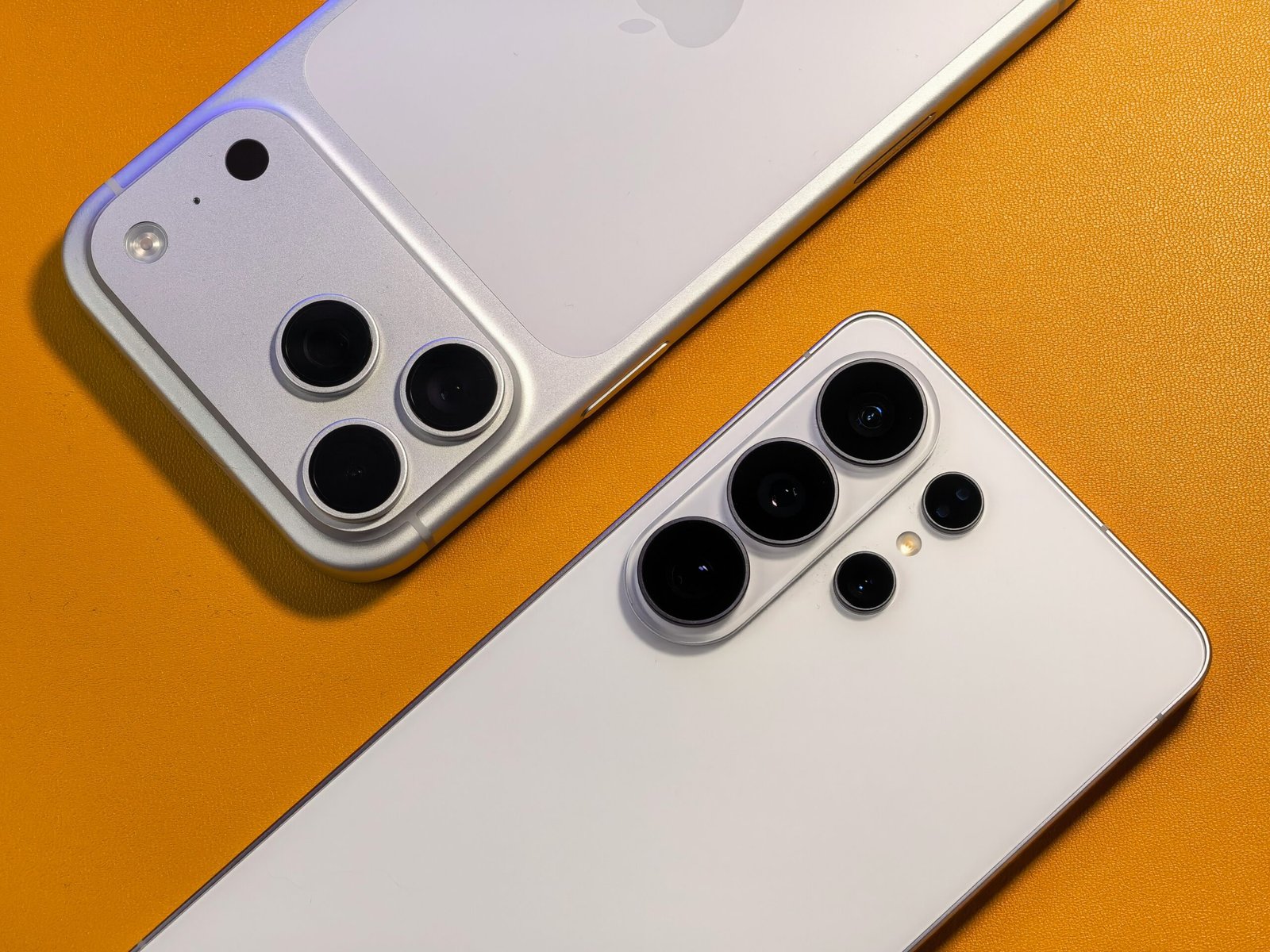
The iPhone vs Android debate has been running for well over a decade, and it still comes down to personal priorities. Neither platform is universally better. Each one makes different trade-offs in design, flexibility, price, and long-term support.
This guide looks at iPhone vs Android in 2026 from the perspective of everyday use: calls, messaging, photos, apps, battery, updates, and cost. Specific models and prices change constantly, so treat this as a decision framework and check current reviews before buying.
The Core Difference
iPhone runs iOS, a single operating system made by Apple for Apple hardware. Because Apple controls both software and hardware, the experience is consistent and tightly integrated.
Android is developed by Google but used by many manufacturers, including Samsung, Google (Pixel), Xiaomi, OnePlus, Motorola, and others. That variety means a huge range of prices, designs, and features, but also differences in software experience between brands.
Ease of Use
iPhones are known for simplicity. The interface is consistent, settings are organized in one predictable place, and new users usually adapt quickly. This makes iPhone a comfortable choice for people who want a phone that simply works.
Android offers more customization. You can change launchers, icon styles, default apps, widgets, and system behavior far more than on iOS, though Apple has added more personalization options over the years. The trade-off is that Android can feel less uniform across brands. Some manufacturers add their own layers on top of Android, which can be helpful or cluttered depending on your taste.
Price and Choice
Android Covers Every Budget
You can find Android phones at very low prices, in the mid-range, and at premium flagship levels. This is a major advantage in many countries where affordability matters. Budget Android phones can still handle calling, messaging, social media, and streaming well.
iPhone Is Mostly Premium-Priced
Apple sells fewer models, and they generally cost more upfront. However, older iPhones and refurbished units often hold value and can be a smart way to enter the ecosystem at a lower cost. Resale value is frequently stronger for iPhones, which can offset the higher purchase price.
Software Updates and Longevity
Updates matter for security and long-term performance. Apple supports iPhones with updates for many years, and its updates reach supported devices at the same time.
Android update policies vary. Google and Samsung have extended their update commitments on recent flagship models, with some promising multiple years of OS and security updates. Budget phones from other brands may receive shorter support. Before buying an Android phone, check the manufacturer’s stated update period for that exact model. This single check can save you from a short-lived device.
Camera Quality
Both platforms offer excellent cameras at the high end.
- iPhone: Known for reliable, consistent photo and video results, especially video recording and ease of use.
- Android flagships: Often lead in zoom range, camera hardware variety, and computational photography features. Google Pixel phones are praised for their image processing, while Samsung offers versatile multi-lens systems.
For casual photography, the difference between top models is smaller than most people think. Lighting, steady hands, and editing matter just as much.
Apps and Ecosystem
Both stores have millions of apps, and nearly every major service is available on both. Some apps and games have historically arrived first or performed better on iOS, but the gap is not significant for most users.
Where the platforms differ is ecosystem.
The Apple Ecosystem
If you own a Mac, iPad, Apple Watch, or AirPods, an iPhone works seamlessly with them. Features like AirDrop, iMessage, FaceTime, iCloud syncing, and Handoff make switching between devices smooth.
The Google and Android Ecosystem
Android works well with Google services such as Gmail, Maps, Photos, and Drive. It also supports a wider range of third-party accessories and smartwatches. Some manufacturers, like Samsung, build their own device ecosystems with tablets, watches, and earbuds.
Messaging and Communication
Messaging is a surprisingly important factor. iMessage is popular in some regions, especially the United States, and group chats between iPhones offer extra features. In many other countries, including much of Asia, Africa, and Europe, WhatsApp, Telegram, and similar apps dominate, which reduces the importance of iMessage. Both platforms now support RCS messaging in many cases, improving texts between iPhone and Android, though availability depends on your carrier and region.
Consider what your friends, family, and workplace use before deciding.
Privacy and Security
Apple promotes privacy as a selling point, with features such as app tracking controls and privacy labels. Google has also strengthened Android privacy, adding permission controls, privacy dashboards, and regular security updates.
In practice, your habits matter as much as the platform. Install apps only from official stores, review permissions, keep the system updated, and use strong authentication. Android’s open nature allows sideloading apps, which provides flexibility but increases risk if used carelessly.
Battery Life and Charging
Battery life depends heavily on the model, battery size, screen, and usage. Android phones often offer larger batteries and faster charging options, while iPhones are optimized for efficient software and hardware. Instead of trusting generalizations, read independent battery tests for the specific phones you are considering.
Charging connectors have also converged, with USB-C now common across many new phones, including recent iPhones.
Customization and Flexibility
Android gives you more control over file management, default apps, home screen layouts, and system tweaks. Power users who like to personalize their phone often prefer it. iOS is more restricted but delivers a polished, predictable experience that many people value more than endless options.
Quick Comparison Table
| Factor | iPhone | Android |
|---|---|---|
| Ease of use | Very simple, consistent | Flexible, varies by brand |
| Price range | Mostly mid to premium | Budget to premium |
| Updates | Long, consistent support | Varies by brand and model |
| Customization | Limited but improving | Extensive |
| Ecosystem | Strong with Apple devices | Strong with Google and brand ecosystems |
| Resale value | Often higher | Varies widely |
Which Should You Choose?
Choose iPhone If:
- You already use a Mac, iPad, or Apple Watch.
- You value simplicity and long-term software support.
- Your friends and family use iMessage and FaceTime.
- You plan to resell your phone later.
Choose Android If:
- You want more choice in price and design.
- You enjoy customizing your phone.
- You use Google services heavily.
- You are on a tighter budget or want more features for the money.
Tips Before You Buy
- Check how many years of updates the exact model will receive.
- Read recent independent reviews for battery and camera performance.
- Consider buying last year’s flagship for better value.
- Think about your accessories, such as watches and earbuds.
- Test the phone in a store if possible.
Frequently Asked Questions
1. Is iPhone better than Android for everyday use?
Not universally. iPhone excels at simplicity and ecosystem integration, while Android offers more variety, customization, and price options. The better choice depends on your needs and budget.
2. Which lasts longer, an iPhone or an Android phone?
Apple generally provides long and consistent software support. Some Android makers now offer long update policies too, but it varies, so check the specific model’s commitment.
3. Is Android less secure than iPhone?
Both can be secure when updated and used carefully. Android’s openness and variety can create more risk if you install apps from untrusted sources or use outdated devices.
4. Which has the better camera?
Top models from both platforms take excellent photos. Differences depend on the specific phone and your priorities, such as video, zoom, or low-light shots.
5. Can I switch from Android to iPhone, or the reverse, easily?
Yes. Both Apple and Google provide tools to move contacts, photos, and many apps. Some purchased apps or data may not transfer, so back up your information first.
Conclusion
The best phone is the one that fits your habits, budget, and the devices you already own. iPhone offers a polished, consistent experience with strong long-term support, while Android offers flexibility, variety, and often better value. Compare specific models, confirm update policies, and choose the platform you will enjoy using every day.