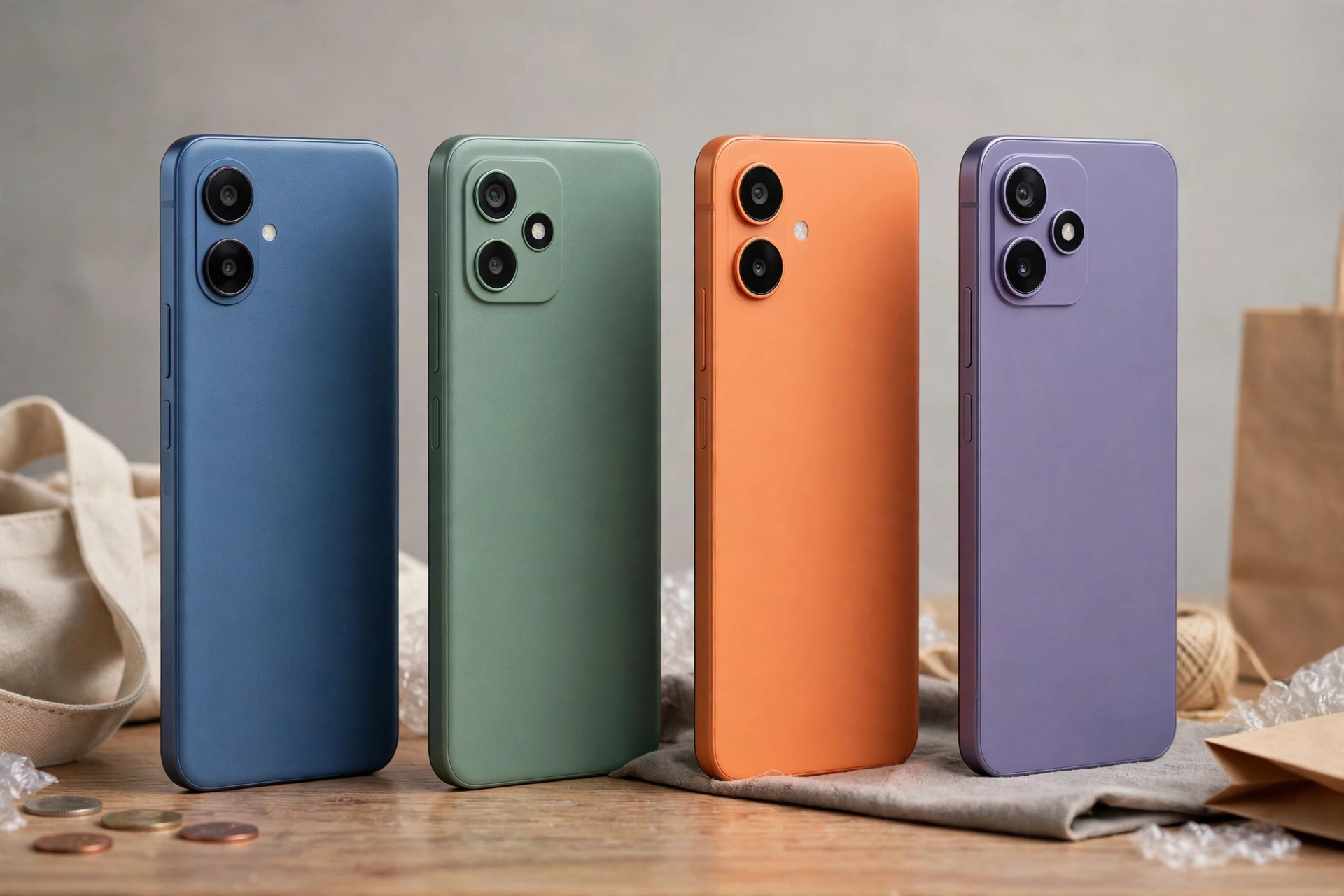
Finding the best budget smartphones under $300 is easier in 2026 than it has ever been. Phones in this tier now offer bright, smooth screens, all-day batteries, capable cameras, and years of software updates — features that used to cost twice as much. You will not get a flagship chip or a periscope zoom lens, but for calls, photos, social media, streaming, and everyday apps, a good budget phone is genuinely hard to tell apart from one that costs far more. This guide explains what to expect at this price, how to choose, and the seven types of budget phone worth buying.
What $300 Gets You in 2026
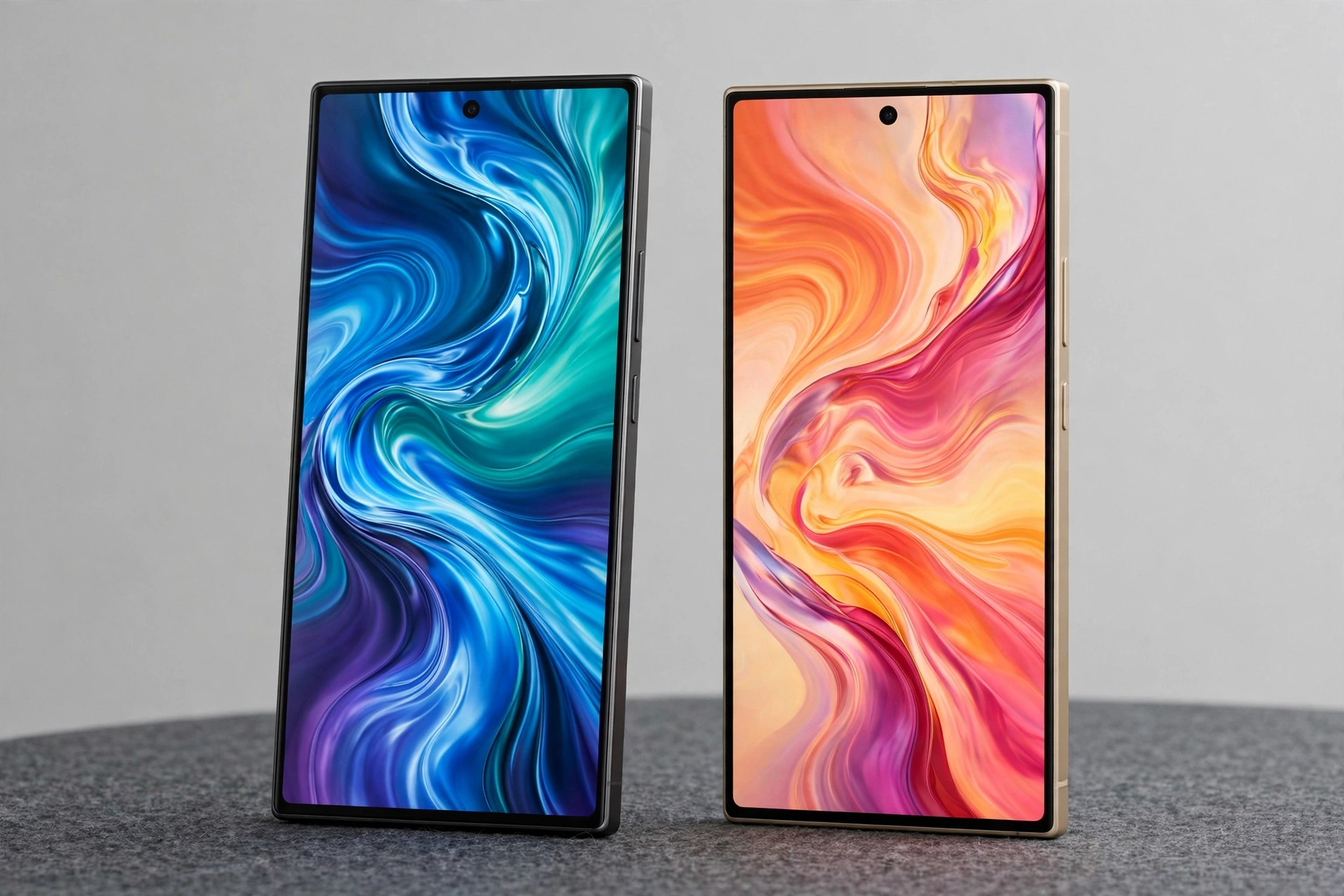
A budget phone in 2026 is a very different device from the budget phones of a few years ago. Expect a large, bright display, usually with a smooth 90 Hz or 120 Hz refresh rate, a battery that comfortably lasts a full day, and a main camera that takes good photos in daylight. Most phones in this tier now include 5G, a fingerprint sensor, and at least 128 GB of storage, and many include AI features like photo editing and live translation. What you give up compared to a flagship is mostly speed under heavy load, low-light camera quality, wireless charging, and premium materials. For most people, those trade-offs are easy to live with, especially when the savings are this large.
How We Picked These Phones
We judged every pick on the things that matter in daily use: screen quality, battery life, camera results, performance with everyday apps, software support, and build quality. We favored phones that receive at least a few years of security updates, because a cheap phone that stops getting updates is a false economy. Rather than naming one model per category, we describe the type of phone to look for and its strengths, because prices and availability shift constantly — always check the current price at a retailer or carrier before you buy, and look for sale and trade-in offers that can bring a better model into your budget.
The 7 Best Budget Smartphones Under $300 in 2026
1. Best All-Rounder
The best all-rounder is the phone to buy if you want one device that does everything well and nothing badly. Look for a large OLED or high-quality LCD screen, a dependable mid-range chip, a versatile main camera with optical image stabilization, and a battery that ends the day with charge to spare. This type of phone handles social media, streaming, navigation, and casual games without breaking a sweat, and its camera is good enough for holidays and family photos. It is the safest pick in this guide, and the one most people should choose. Budget phones in this class now run AI features too, including photo editing and smart assistants, so you can even use them to use ChatGPT for work on the go.
2. Best Battery Life
If you hate carrying a charger, this is your phone. The battery-life champions in this tier pack huge batteries and efficient chips, and they routinely last two days of normal use or a full day of heavy use. Look for a large battery capacity, a power-efficient processor, and a screen that can lower its refresh rate to save power. The trade-off is usually a slightly heavier phone and a camera that is good rather than great. For travelers, delivery drivers, and anyone who spends long days away from an outlet, the extra battery life matters more than anything else.
3. Best Camera in the Tier
Camera quality varies more than anything else at this price, so if photos matter to you, choose carefully. The best camera phones in the under-$300 tier offer a large main sensor, optical image stabilization, and a night mode that genuinely helps in low light. They also handle portraits well, with natural skin tones and pleasing background blur. What they usually lack is a good zoom lens, so do not expect strong results at long distances. Check sample photos and reviews before buying, because two phones with similar specs can produce very different images.
4. Best for Gaming on a Budget
Mobile gaming on a budget phone is very doable if you pick the right one. Look for a fast chip, at least 8 GB of RAM, a smooth high-refresh-rate display, and good cooling, because a phone that overheats will slow down mid-game. A large battery helps too, since games drain power quickly. This type of phone may compromise on the camera to keep the price down, which is a fair trade if gaming is your priority. Pair it with a fast home connection and it handles online play well.
5. Best Compact Phone
Most budget phones are big, which is a problem if you have small hands or small pockets. The compact picks in this tier are smaller and lighter, with screens that are easier to reach across one-handed, but they still offer the essentials: a good display, all-day battery, and a decent camera. You will usually give up some battery capacity and screen size, and the selection is smaller than for large phones, but if comfort matters more than screen size, a compact budget phone is a pleasure to use every day.
6. Best for Long Software Support
A cheap phone is only a bargain if it stays secure and up to date. The best-supported budget phones promise several years of Android updates and security patches, which keeps your banking apps safe and your phone feeling fresh. Look for manufacturers with a clear, published update promise, and avoid no-name brands that never update their phones. Long support also protects your resale value: a phone that is still receiving updates is worth more when you eventually upgrade. If you keep your phones for years, this is the pick that saves the most money over time.
7. Best First Phone
Buying a first phone for a teenager, or a first smartphone for an older relative, has its own priorities: simplicity, durability, and value. The best first phones in this tier have a clean, uncluttered interface, a tough build, a good battery, and a price that does not cause panic if the phone gets dropped. A headphone jack, a microSD slot for extra storage, and easy parental controls are welcome bonuses. It is also worth choosing a brand with good repair and support options, so help is available when it is needed.
What to Check Before You Buy
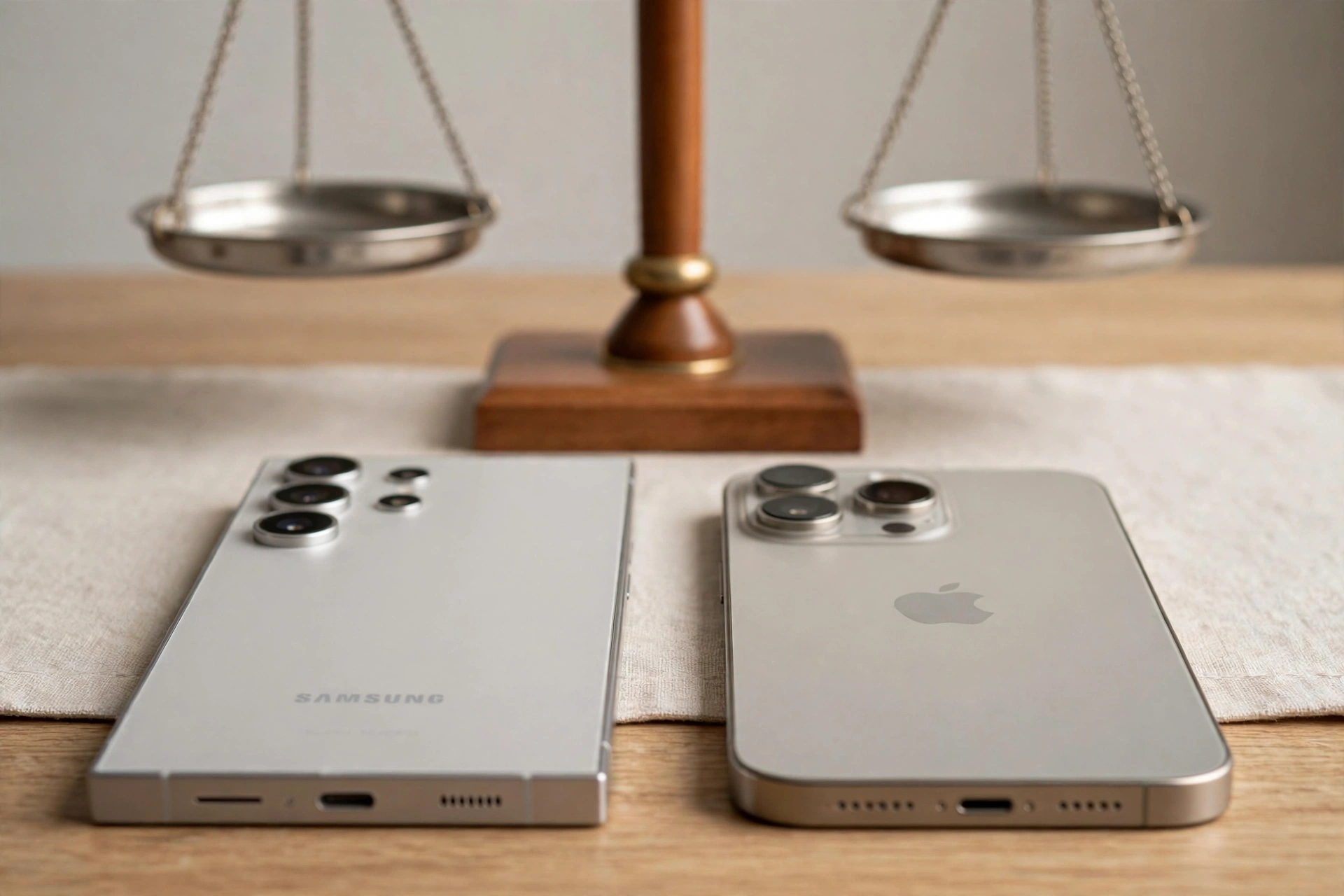
Before you spend anything, check five things. First, make sure the phone works on your carrier and supports the 5G bands it uses. Second, confirm the storage: 128 GB is the minimum worth buying in 2026, and 256 GB is better if you take lots of photos. Third, check the update promise and the warranty. Fourth, hold the phone if you can, because size and weight matter more than specs suggest. Fifth, check the return policy, so you can send it back if the camera or battery disappoints. And if your budget can stretch beyond this tier, our iPhone vs Samsung comparison covers the flagship options and what extra money actually buys.
Frequently Asked Questions
Are budget phones under $300 good enough for everyday use?
Yes. For calls, messages, social media, photos, streaming, and navigation, a good budget phone in 2026 is fast and reliable. You will notice the difference only in demanding games, very low-light photos, and heavy multitasking, where flagships still lead.
How long will a budget phone last?
A well-chosen budget phone lasts three to four years with normal use, provided it keeps receiving security updates. The battery is usually the first thing to age, so pick a phone with a large battery and a manufacturer that promises several years of updates.
Should I buy a budget phone or a used flagship?
It depends on your priorities. A used flagship offers better cameras and materials, but an unknown battery history and a shorter remaining support window. A new budget phone gives you a fresh battery, a full warranty, and longer software support. For most people, the new budget phone is the safer choice.
Do budget phones get security updates?
The good ones do. Stick to established brands that publish an update promise of several years, and avoid obscure brands with no track record. Security updates matter more than new features, because they protect your banking and personal data.
Is 128 GB of storage enough on a budget phone?
For most people, yes, especially if you use cloud storage for photos. If you download lots of games or shoot lots of video, choose 256 GB or a phone with a microSD slot so you can expand later.
Final Thoughts
You do not need to spend flagship money to get a great phone in 2026. Pick the type that matches your priorities — all-round ability, battery life, camera, gaming, size, support, or simplicity — check the carrier compatibility and update promise, and buy from a retailer with a good return policy. Any of the seven types in this guide will serve you well for years, for a fraction of the price of a flagship.